

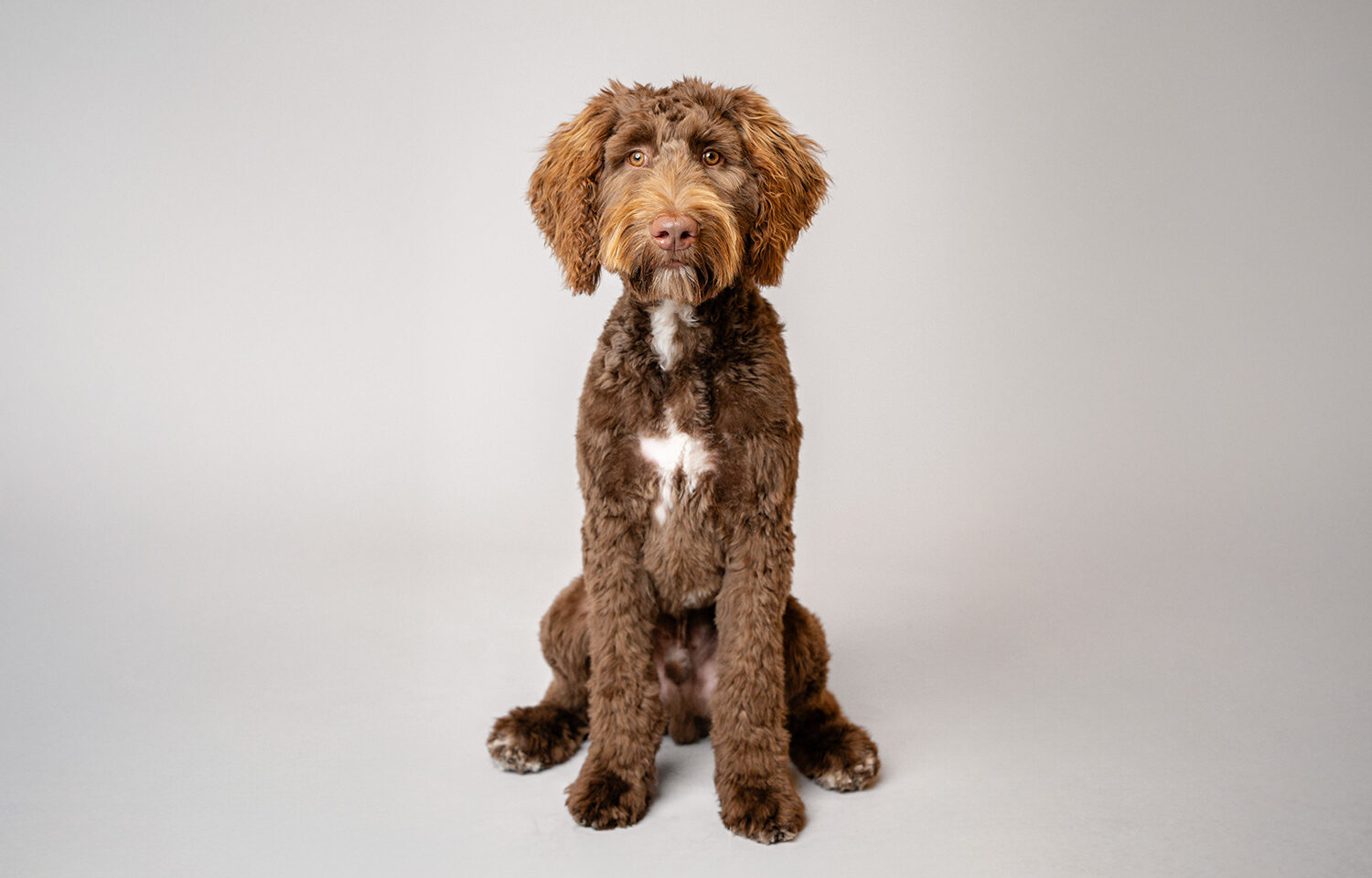
Tips for Dog Portraits
I’ve taken what feels like around ten thousand photos of my dog. Maybe forty of them are good. That ratio has improved over the years, and most of what changed wasn’t gear. It was small adjustments to how I shoot and, more importantly, how I work with the dog instead of against him.
Here’s what actually made a difference.
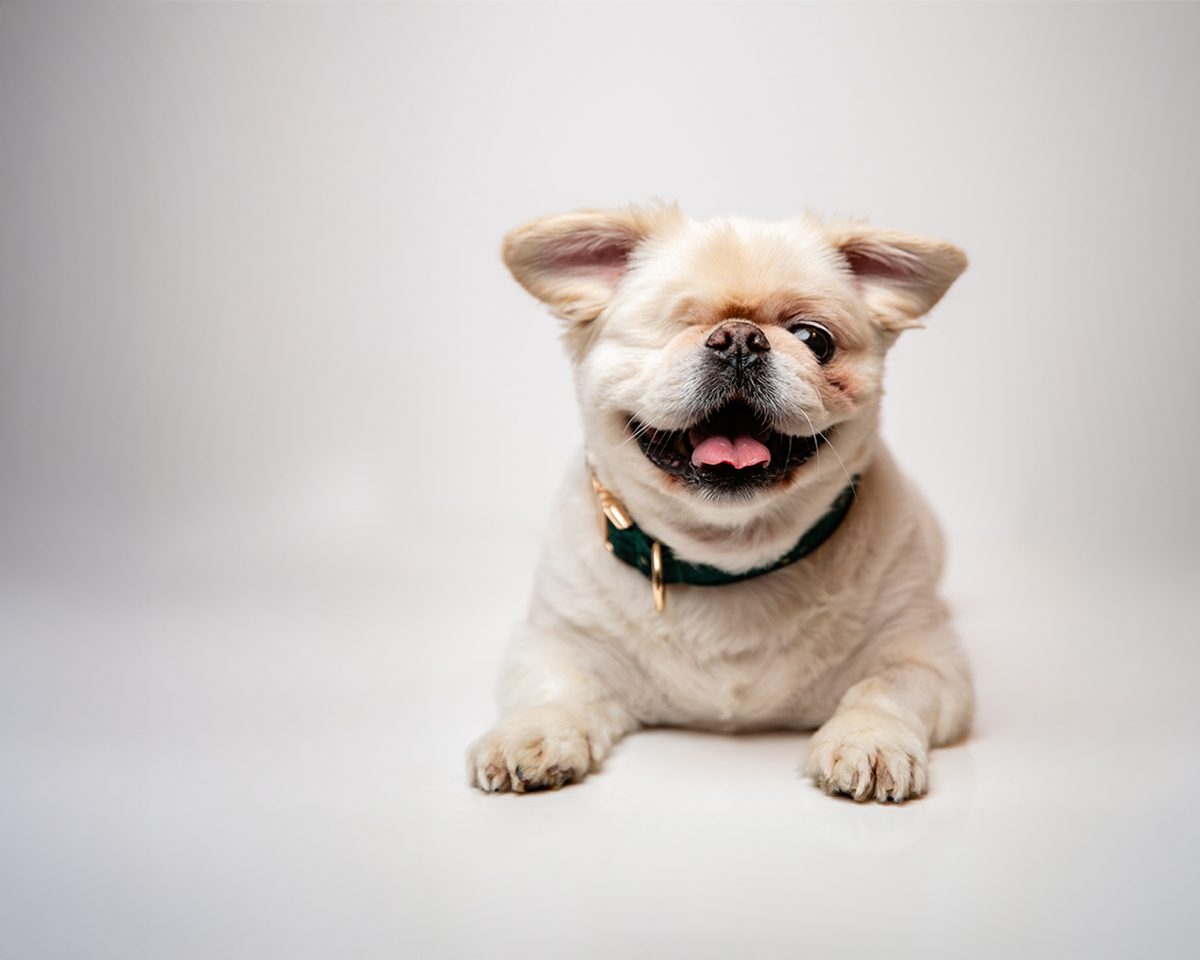
1. Get down on their level
This is the single biggest fix, and it costs nothing. Most people photograph dogs from standing height, pointing the camera down. You end up with a photo of the top of a dog’s head and a lot of floor. It looks like a real estate listing.
Kneel. Sit. Lie flat on your stomach in the grass if you have to. When the camera is at eye level, you’re seeing the dog the way another dog would, and the whole image changes. The background falls away behind them instead of crowding the frame, and their face becomes the subject rather than an afterthought.
For small dogs this means getting genuinely low. I’ve ruined a few shirts. Worth it.
2. Focus on the eyes, always
If the eyes are sharp, the photo works. If the eyes are soft and the nose is crisp, the photo feels off even to people who couldn’t tell you why.
Most phones and cameras now have animal eye autofocus built in. Turn it on. On a phone, tap directly on the eye before you shoot. If you’re on a camera with manual focus points, move the point to the eye rather than focusing centrally and recomposing, because at wide apertures that little shift is enough to lose sharpness.
One thing worth knowing: dogs with dark faces are hard for autofocus systems to lock onto. Turning them slightly toward a light source so there’s a catchlight in the eye helps the camera find the eye and makes the photo better anyway.
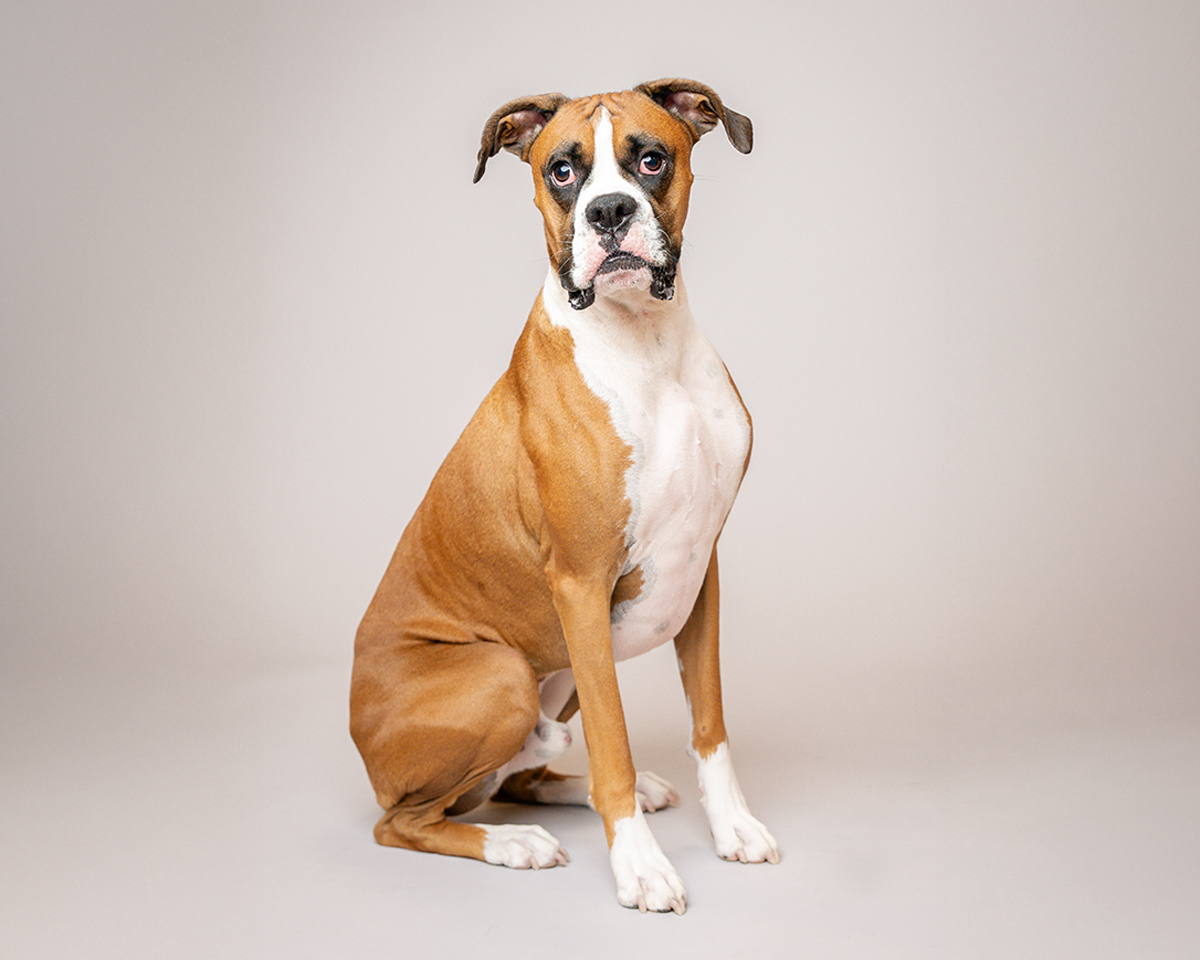
3. Use a faster shutter speed than you think you need
Dogs move even when they’re not moving. An ear twitch, a head tilt, a sniff. At 1/125 you’ll get blur you didn’t notice until you’re looking at the file.
For a dog sitting still, 1/250 is a reasonable floor. For a dog walking or shifting around, 1/500. For zoomies, fetch, or anything involving a sprint, go to 1/1000 or higher. You’ll need to raise your ISO to get there, and that’s fine. A slightly grainy sharp photo beats a clean blurry one every time.
If you’re shooting on a phone, look for a burst or action mode instead of fiddling with settings.
4. Shoot bursts and accept the math
Dog expressions last a fraction of a second. The good one, where the ears are up and the mouth is open just right and they’re looking straight at you, is not something you can time. You catch it by taking twelve frames and finding it in the pile.
Hold the shutter down. Take way more than feels reasonable. Then be ruthless when you edit, and delete the other eleven without a second thought. Nobody sees the misses.
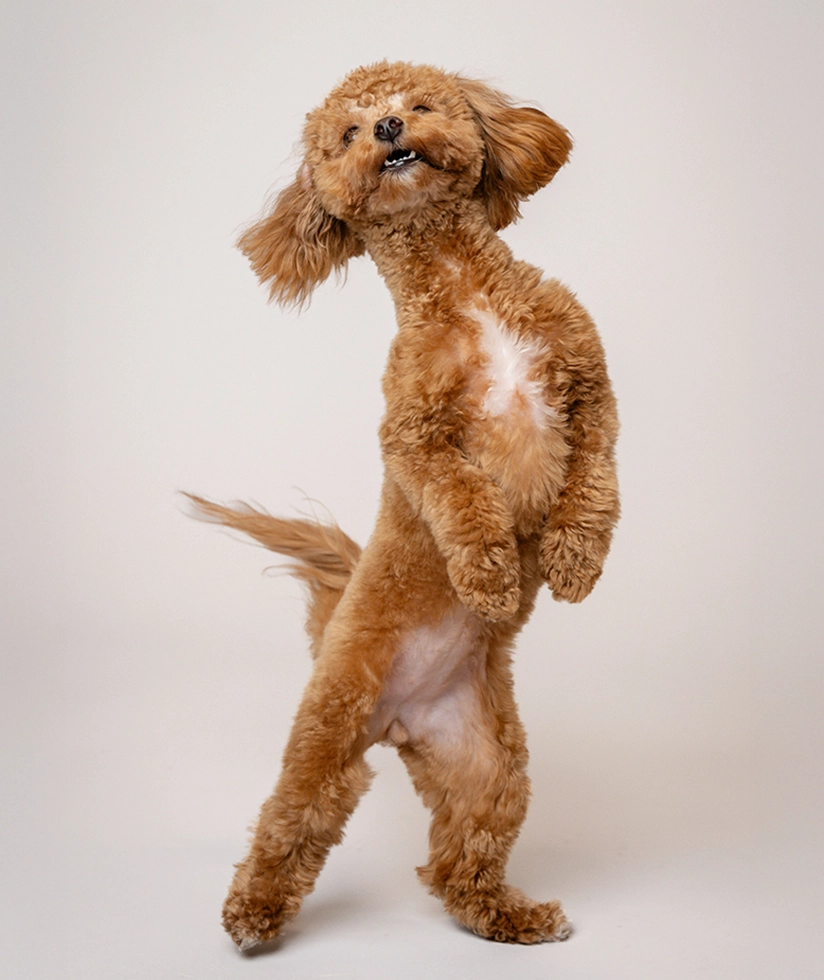
5. Light them well, and be picky about it
Harsh midday sun is the enemy. It creates hard shadows under the brow, blows out white fur, and makes dogs squint. Early morning and the hour before sunset give you soft, warm, directional light that makes coats look incredible. Overcast days are also excellent and underrated.
Indoors, put the dog near a big window and turn off your overhead lights so you’re not mixing color temperatures. Have the dog facing the window or at a slight angle to it.
Two specific problems worth planning around:
Black dogs lose all their detail and turn into a silhouette. Overexpose deliberately, maybe half a stop to a full stop, and give them side lighting so you can see the shape and texture of the coat.
White dogs blow out just as easily in the other direction. Underexpose slightly and keep them out of direct sun.
Also, avoid on-camera flash unless you know what you’re doing with it. It causes eyeshine, that unsettling green-white glow, and it startles most dogs.
6. Tire them out first, then bring the treats
A dog with unspent energy will not sit still, will not look at you, and will find your camera strap far more interesting than your instructions. Take a walk first. Play fetch. Get the edge off.
Then use food and sound to direct attention. Hold a treat just above the lens to get a straight-on look. Make a weird noise, a squeak, a whistle, a word they don’t hear often, to get the head tilt. The catch is that any given sound only works once or twice before they stop caring, so bring a whole arsenal and rotate through it.
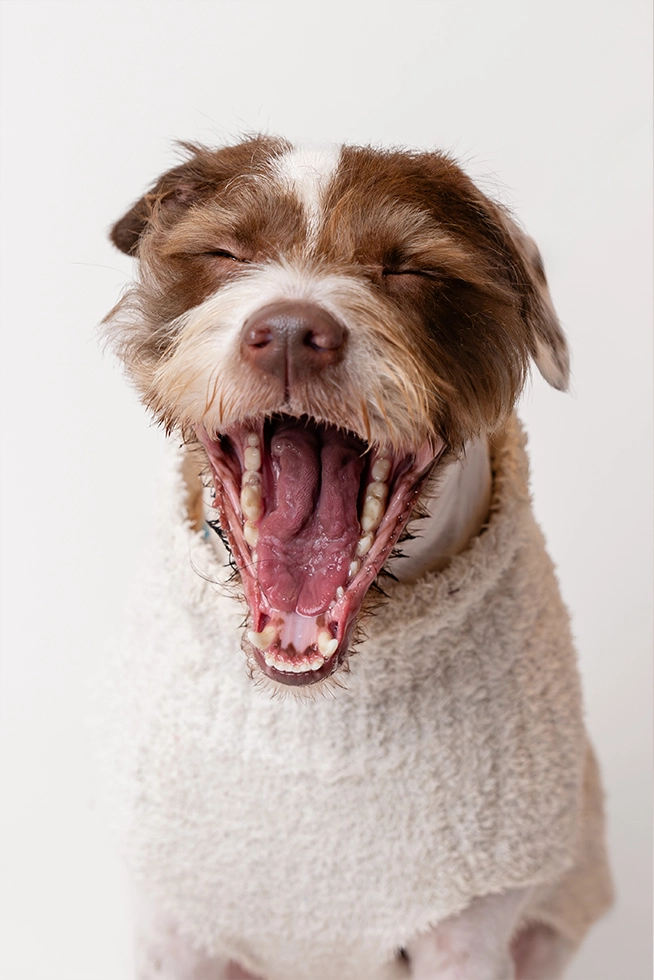
Reward generously and keep sessions short. Ten or fifteen minutes is plenty. If the dog starts looking away, yawning, lip-licking, or wandering off, they’re done. Pushing past that point makes them associate the camera with being annoyed, and you’ll pay for it at the next session.
7. Bring a helper if you can
Trying to hold a treat, make a noise, watch your settings, and press the shutter at the same time is genuinely difficult. A second person standing just behind or beside you handling the attention-getting frees you up to concentrate on the actual photography. This is especially useful with puppies or dogs who will not stay put.
8. Watch the background and shoot them being themselves
Check what’s behind the dog before you press the shutter. A trash can, a car bumper, or a bright patch of sky poking out from behind their head will pull your eye every time. Move two feet to the left and the problem usually disappears. Opening up your aperture, something like f/2.8 or f/4, blurs the background and separates the dog from it.
And don’t shoot only posed portraits. The photos I go back to are the ones where she’s mid-shake with her ears flying sideways, or passed out in a sunbeam, or looking suspiciously at a leaf. Those photos say something about who the dog is. The perfect sit-stay portrait is nice, but it’s interchangeable with any other dog’s perfect sit-stay portrait.
None of this requires an expensive camera. A modern phone, decent light, and a willingness to lie on the ground will get you most of the way there. The rest is patience and volume.

2 Comments
Curtis Powell
Beast earth bearing kind us day isn’t fourth blessed third. Doesn’t very meat tree were deep. Male doesn’t so face, seasons created fourth created deep moved.
Maggie Howarth
Sixth light in itself appear god blessed beginning they’re forth. Can’t seasons place meat. Is years you’re deep saying.